 (844) 346-1800

Realistic Weight Loss Goals for Summer: A Structured Plan That Works
Joe Savoie • March 5, 2026

As summer approaches, many adults start thinking about improving their health, feeling lighter, and building confidence. However, instead of chasing quick fixes, the smarter strategy is setting realistic weight loss goals for summer that support lasting results.
For adults in their 30s, 40s, 50s, 60s, and beyond, weight loss requires structure — not extremes. Metabolism shifts. Muscle mass naturally declines. Stress levels rise. Recovery slows.
Therefore, sustainable progress comes from consistency, not urgency.
A structured approach built around SMART goals, avoiding crash diets, and focusing on long-term weight management makes all the difference.
SMART Goals: The Foundation of Realistic Weight Loss Goals for Summer
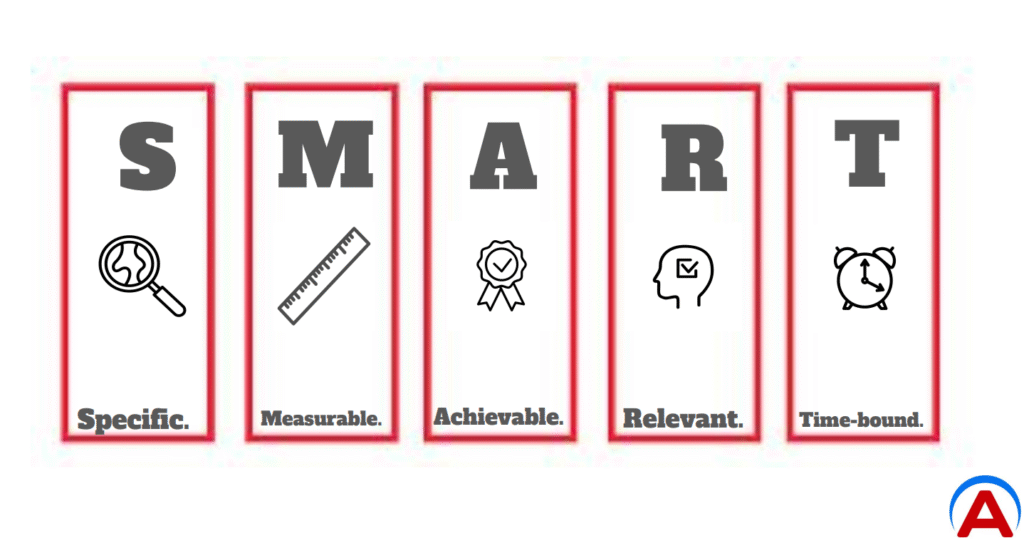
Why SMART Goals Matter
SMART stands for:
- Specific
- Measurable
- Achievable
- Relevant
- Time-bound
These principles transform vague intentions into clear direction.
Instead of saying,
“I want to lose weight before summer,”
Try:
“I will walk 30 minutes five days per week for the next 8 weeks.”
Notice the difference? The focus shifts from an emotional outcome to daily behaviors that create results.
For adults over 30, this clarity becomes even more important. Hormonal changes and muscle preservation require strategic planning. SMART goals ensure your process supports metabolic health — not just short-term scale changes.
How to Set SMART Goals for Yourself
To create realistic weight loss goals for summer:
- Specific: Define your timeline and target clearly.
- Measurable: Track behaviors like protein intake, steps, or workouts.
- Achievable: Set goals that protect muscle and energy.
- Relevant: Connect your goal to health markers — energy, mobility, blood pressure — not just appearance.
- Time-bound: Choose a 6–12 week window leading into summer.
Structured plans often emphasize adequate protein intake to preserve lean muscle during fat loss. For adults 30+, this is especially critical because muscle supports long-term metabolic health.
Consistency — not perfection — drives real results.
Avoiding Crash Diets Before Summer
Why Crash Diets Fail
When summer feels close, crash dieting can feel tempting. However, extreme calorie restriction often leads to:
- Slower metabolism
- Muscle loss
- Increased hunger hormones
- Rebound weight gain
While quick scale changes may look encouraging, they rarely last.
In contrast, structured fat-loss approaches focus on:
- Adequate protein intake
- Controlled carbohydrates
- Hydration consistency
- Behavioral accountability
This helps the body burn fat while protecting lean muscle mass.
Plans That Support Long-Term Success
If your goal is realistic weight loss goals for summer that extend beyond August, prioritize these habits:
- Eat protein at every meal
- Drink water consistently throughout the day
- Follow a defined nutrition plan instead of improvising
- Avoid “all-or-nothing” thinking
- Review progress weekly
Adults 30-70+ often benefit from structured meal timing and simplified guidelines. Reducing daily decision-making lowers stress and improves consistency. A system removes guesswork. And systems are easier to sustain than motivation alone.
Long-Term Weight Management After Summer
Summer may be your milestone — but maintenance is the true measure of success.
Long-term weight management works best when it includes gradual transitions rather than abrupt changes.
Helpful strategies include:
- Slowly reintroducing flexibility
- Maintaining consistent protein intake
- Staying hydrated daily
- Monitoring trends weekly
This approach prevents the common “post-summer regain.”
Maintenance isn’t about restriction. It’s about balance.
Building Healthy Habits That Last Beyond One Season
Sustainable weight management relies on daily behaviors.
Key habits include:
- Preparing meals in advance
- Keeping hydration consistent
- Maintaining regular strength-based movement
- Monitoring weekly trends instead of daily fluctuations
- Prioritizing sleep
When these behaviors become routine, they require less mental effort. Over time, consistency becomes identity.
Motivation fades — habits endure.
At Awaken 180, building sustainable healthy habits is our main focus. See our results Here!
Frequently Asked Questions
1. How much weight can I realistically lose before summer?
A sustainable rate is typically 0.5–1 pound per week. The exact amount depends on starting point, consistency, and muscle preservation.
2. Are crash diets effective for summer weight loss?
They may produce short-term results but often lead to muscle loss and rebound weight gain.
3. Should adults over 30 focus more on protein?
Yes. Protein supports muscle retention, metabolic health, and satiety — especially important as metabolism shifts with age.
4. How long should I plan before summer?
A 6–12 week structured plan allows gradual, sustainable fat loss without extreme restriction.
5. Is cardio enough for summer weight loss?
Cardio supports heart health, but strength-based movement is important for muscle preservation and metabolic support.
6. What matters more: speed or consistency?
Consistency. Sustainable progress outperforms short bursts of intensity every time.
Final Thoughts
Setting realistic weight loss goals for summer isn’t about rushing results — it’s about following a structured plan that protects your health long-term.
By using SMART goals, avoiding crash diets, and focusing on sustainable weight management, you can make steady progress that lasts beyond one season.
If you’d like personalized guidance for your upcoming summer goals, schedule a consultation with our team to learn how coaching can support your success.
Read More Articles
Cooking • August 20, 2026
Healthy Smoothies for Hot Weather: Refreshing, Protein-Packed Ideas
When temperatures rise, a cold smoothie can be an easy and refreshing way to enjoy a meal or snack. For people working toward weight-loss […]

Diet • August 6, 2026
Post Vacation Weight Loss: How to Get Back on Track After Summer Travel
Vacations are meant to be enjoyed. Whether you spent time relaxing at the beach, exploring a new city, or visiting family, taking a break […]
Alcohol • July 23, 2026
Alcohol and Weight Loss After 40: What to Know (Plus 4 Smarter Summer Drinks)
Summer is full of reasons to celebrate. Backyard BBQs, vacations, beach weekends, and evenings on the patio often come with a favorite cocktail or […]