 (844) 346-1800

Sustainable Healthy Habits: How to Create New Year’s Resolutions That Work
Joe Savoie • January 8, 2026
“New year, new me.”
A new year often sparks the desire for change. As the calendar flips, many people set resolutions — some aiming for dramatic transformation, others for small improvements, and many feeling unsure where to start.
But no matter which category you fall into, the reality is this: nearly 43% of people abandon their New Year’s resolutions by the end of January.
Why does this happen? Because most resolutions never become habits — repeated behaviors that feel natural and easier over time. Research shows it takes about 66 days to form a habit, yet many people give up after just a few weeks due to low motivation, unrealistic expectations, or lack of structure.
The good news? With the right mindset shift for success, you can build sustainable healthy habits that last far beyond January — and these strategies work at any time of year.
Why Resolutions Fail (And Habits Succeed)
Many resolutions fail because they rely heavily on motivation. Motivation can be powerful — but it’s also temporary. When life gets busy or progress feels slow, motivation fades.
Habits, on the other hand, don’t require constant willpower. Once a behavior becomes routine, it requires far less mental effort to maintain. This is why sustainable weight loss habits focus on consistency over intensity.
The key difference? Habits are realistic, repeatable, and integrated into daily life — not dependent on perfection.
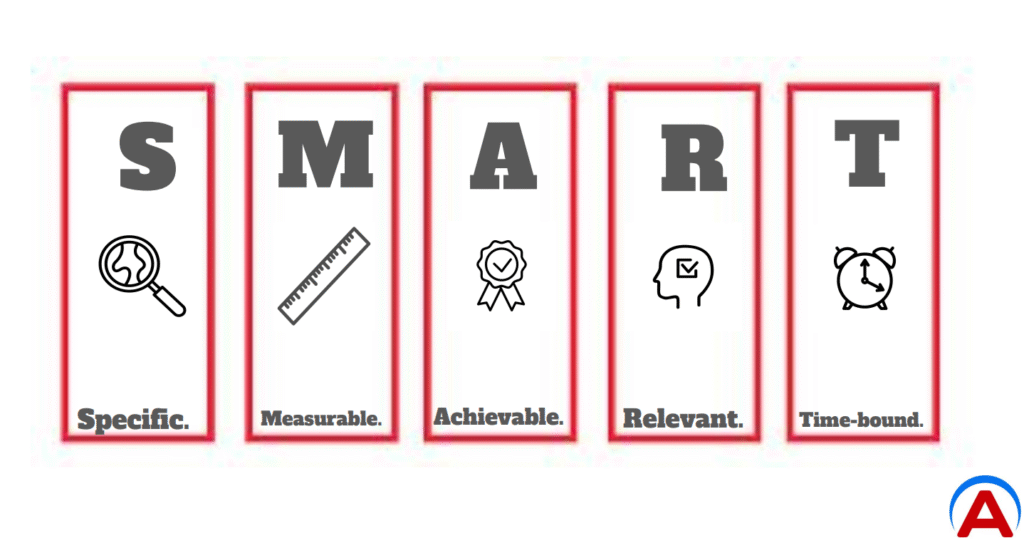
Setting SMART Goals for Sustainable Healthy Habits
Motivation is best used as a starting spark, not the entire plan. That energy should be channeled into goals that are clear, achievable, and structured using the SMART framework:
- –Specific: Be clear about what you want to achieve
Example: cooking more meals at home or walking three times per week - -Measurable: Track progress so improvement is visible
Example: logging meals or activity in the Awaken180° app - -Achievable: Goals should be challenging but realistic
- -Relevant: Align goals with your current lifestyle and priorities
- -Time-bound: Set a clear timeframe or checkpoint
Clear goals reduce frustration and help turn intentions into sustainable healthy habits.
Planning for Long-Term Success
Once goals are set, planning becomes the bridge between intention and action. Research shows that people who prepare ahead are significantly more consistent than those who “wing it.”
This is where habits of preparation come in.
Examples include:
- –Prepping vegetables in bulk so healthy choices are easy
- -Packing a gym bag the night before
- -Scheduling walks or workouts into your calendar
Planning requires time and reflection. Spend an hour reviewing your schedule, commitments, and routines. If new habits don’t fit your real life — or old habits create constant obstacles — consistency becomes much harder.
Sustainable healthy habits work with your life, not against it.
Eliminating Old Habits vs. Adding New Ones
Breaking old habits and building new ones require different strategies.
Eliminating Old Habits
Removing a habit often takes more mental effort because it involves disrupting automatic behaviors. Success comes from:
- -Identifying triggers
- -Replacing the habit with something equally enjoyable
- -Reducing exposure to cues
For example, if late-night snacking is the habit you’re trying to change, replacing it with herbal tea, reading, or watching a favorite show can help shift the routine.
Adding New Habits
New habits are easier to adopt when they are:
- -Simple
- -Enjoyable
- -Attached to an existing routine
For example, walking on the treadmill immediately after dinner links the new habit to something already established. Adding music, an audiobook, or a favorite show increases enjoyment and makes repetition more likely.
The Mindset Shift for Success: Ask for Help
Research consistently shows that people are more successful with habit formation when they have support and accountability. Working with a coach or structured program increases follow-through and long-term success.
Support removes guesswork. Instead of relying on motivation alone, coaching provides:
- -Personalized strategies
- -Accountability during challenging weeks
- -Adjustments when progress stalls
At Awaken180°, coaching is central to helping individuals build sustainable healthy habits — not just short-term results. The goal isn’t perfection; it’s progress that lasts.
Final Thoughts: Building Habits That Last
Sustainable healthy habits aren’t created through extreme changes or rigid rules. They’re built through realistic goals, thoughtful planning, and consistent support.
If New Year’s resolutions haven’t worked for you in the past, it doesn’t mean you failed — it means the approach needs to change. With the right structure and mindset, real behavior change is absolutely possible.
If you’d like guidance creating habits that truly fit your lifestyle, a team of coaches are excited to help you learn how personalized coaching can support your long-term success.
Read More Articles
Diet • March 19, 2026
Is Oatmeal Heart Healthy? What You Should Know About Oats and Health
Have you ever wondered, is oatmeal heart healthy? You’ve likely heard that oatmeal is “part of a balanced breakfast” or seen labels claiming it […]

Diet • March 5, 2026
Realistic Weight Loss Goals for Summer: A Structured Plan That Works
As summer approaches, many adults start thinking about improving their health, feeling lighter, and building confidence. However, instead of chasing quick fixes, the smarter […]
Diet • February 19, 2026
Boost Metabolism After 40 Naturally (Without Extreme Diets)