 (844) 346-1800

Boost Metabolism After 40 Naturally (Without Extreme Diets)
Joe Savoie • February 19, 2026
If you’ve been trying to boost metabolism after 40 and nothing seems to work the way it used to, you’re not imagining it. Many adults notice real changes in energy, weight loss, and recovery during midlife. The scale moves slower. Sleep feels lighter. Stress hits harder.
However, this shift isn’t about willpower. It’s about biology, lifestyle demands, and years of dieting patterns that may have unintentionally slowed things down.
The encouraging news? You can boost metabolism after 40 naturally. It doesn’t require punishing workouts, severe calorie restriction, or cutting out every food you enjoy. Instead, it requires understanding what’s happening inside your body — and supporting it strategically.
Let’s break it down.
Why It’s Harder to Boost Metabolism After 40
Midlife weight changes often feel confusing. After all, you may be eating less than you did in your 20s. So why isn’t your body responding the same way?
Common frustrations include:
- -The scale barely moving despite eating less
- -Low energy or brain fog
- -Poor sleep and increased stress
- -Losing weight easily in the past — but not anymore
- -Feeling like your body is “working against you”
The truth is, metabolism responds to more than calories. It’s influenced by muscle mass, hormones, stress levels, sleep quality, and consistency. When those factors shift, your metabolic rate shifts too.
Therefore, trying to “push harder” often backfires. What’s usually missing isn’t effort — it’s metabolic support.
What Changes in Your Metabolism After 40
Metabolism isn’t a single switch. It’s a network of systems that determine how efficiently your body uses energy.
After 40, several changes tend to stack up:
1. Natural Muscle Decline
Muscle mass gradually decreases if it isn’t supported. Because muscle burns more calories than fat tissue — even at rest — losing muscle can lower metabolic rate.
2. Hormonal Shifts
Changes in estrogen, progesterone, and testosterone affect fat storage, hunger cues, and energy levels. As a result, fat loss may feel slower even when effort is consistent.
3. Chronic Stress & Cortisol
High stress and poor sleep elevate cortisol. Elevated cortisol encourages fat storage and interferes with recovery.
4. History of Restrictive Dieting
Years of under-eating or yo-yo dieting can slow metabolic output. When calories are repeatedly cut too low, the body adapts by conserving energy.
In other words, your body becomes protective — not broken.

How to Boost Metabolism After 40 (What Actually Works)
If you want to boost metabolism after 40 in a sustainable way, focus on support rather than extremes.
1. Eat Enough — Especially Protein
Severely cutting calories tells your body to conserve energy. Proper fueling signals safety.
Protein is especially important because it:
- -Preserves lean muscle
- -Stabilizes blood sugar
- -Reduces cravings
- -Supports fat loss over muscle loss
Eating enough protein consistently is one of the most overlooked ways to boost metabolism.
2. Prioritize Strength-Based Movement
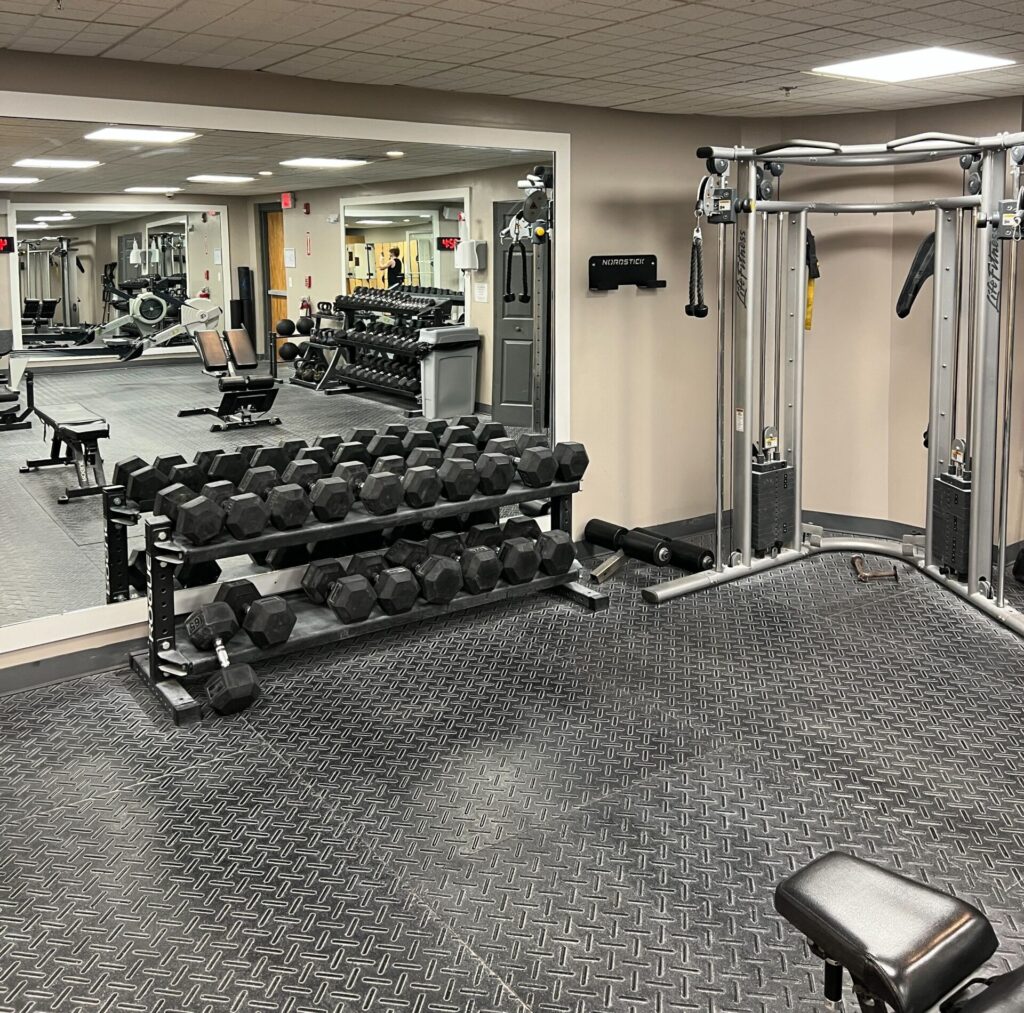
You don’t need intense workouts. In fact, excessive cardio can increase stress hormones.
Instead, prioritize:
- -Resistance training
- -Bodyweight exercises
- -Consistent, moderate strength sessions
Because muscle increases resting energy expenditure, protecting it helps your body burn more calories naturally.
3. Improve Sleep Before Increasing Effort
Sleep is one of the most powerful metabolic tools — yet it’s often ignored.
Better sleep supports:
- -Hormonal balance
- -Hunger regulation
- -Stress reduction
- -Recovery
If sleep is disrupted, adding more exercise may slow progress. Therefore, recovery should come first.
4. Reduce Stress Instead of Adding More
When stress stays high, fat loss slows — even if nutrition looks perfect.
Supportive habits include:
- -Daily walks
- -Screen-free evening routines
- -Structured meal timing
- -Limiting late-night eating
Sometimes, reducing pressure on the body is what allows it to finally respond.
5. Stop Restarting — Start Sustaining
Repeated resets confuse the body. Every “start over Monday” cycle increases stress and disrupts metabolic stability.
Instead, build:
- -Predictable meals
- -Balanced nutrition
- -Consistent habits
- -Ongoing support
When the body feels nourished and safe, metabolism improves.
Why Energy Improves Before the Scale Changes
When you successfully boost metabolism after 40, the first change isn’t always weight loss — it’s energy.
Many people notice:
- -More consistent daytime energy
- -Fewer cravings
- -Improved mood and focus
- -Better sleep
- -Less afternoon fatigue
These are signs your body is shifting out of survival mode. Once that shift happens, weight loss becomes steadier and less forced.
Frequently Asked Questions
1. Can you really boost metabolism after 40?
Yes. While natural changes occur with age, proper fueling, muscle support, sleep, and stress management can significantly improve metabolic function.
2. Is metabolism permanently slower after 40?
Not permanently. It may adapt to muscle loss, stress, and dieting history, but it can respond positively to consistent support.
3. Does cardio boost metabolism after 40?
Cardio supports heart health. However, strength training has a stronger impact on preserving muscle and improving resting metabolic rate.
4. Why am I eating less but not losing weight?
Chronic calorie restriction can slow metabolic output. Eating too little may signal your body to conserve energy.
5. How long does it take to improve metabolism?
Energy improvements often appear within weeks. Body composition changes follow with consistency.
6. Is boosting metabolism different for women after 40?
Hormonal shifts during perimenopause and menopause can influence metabolic function. However, the core principles of nourishment, strength, sleep, and stress support remain effective.
Final Thoughts: Support Your Body, Don’t Fight It
Learning how to boost metabolism after 40 isn’t about doing more. It’s about doing what works.
When your body receives proper fuel, muscle support, recovery, and consistency, it responds — steadily and sustainably.
If you’re ready for a structured, realistic approach tailored to midlife metabolism, a supportive consultation can help identify what your body needs right now and create a clear path forward.
Read More Articles
Diet • March 19, 2026
Is Oatmeal Heart Healthy? What You Should Know About Oats and Health
Have you ever wondered, is oatmeal heart healthy? You’ve likely heard that oatmeal is “part of a balanced breakfast” or seen labels claiming it […]

Diet • March 5, 2026
Realistic Weight Loss Goals for Summer: A Structured Plan That Works
As summer approaches, many adults start thinking about improving their health, feeling lighter, and building confidence. However, instead of chasing quick fixes, the smarter […]
Cooking • February 5, 2026
Super Bowl Snack Ideas: Game Day Strategies to Stay Satisfied and On Track