 (844) 346-1800

Back to School Meal Planning for Busy Families: Healthy Meals Made Simple
Joe Savoie • September 17, 2026
Back-to-school season brings a familiar kind of chaos. New schedules, homework, activities, sports practices, and endless trips between school and home can make healthy eating feel like one more thing on your to-do list.
For busy parents, the challenge isn’t always knowing what a healthy meal looks like. It’s finding the time to plan, shop, prepare, and serve those meals when the entire family seems to be going in different directions.
That’s where back to school meal planning can make a difference.
A little preparation at the beginning of the week can make busy evenings easier, reduce last-minute takeout, and help the whole family have nutritious options available—even on nights when you’re driving from school to practice to dance class and back again.
The goal isn’t perfection. It’s creating a system that works for your family’s real schedule.
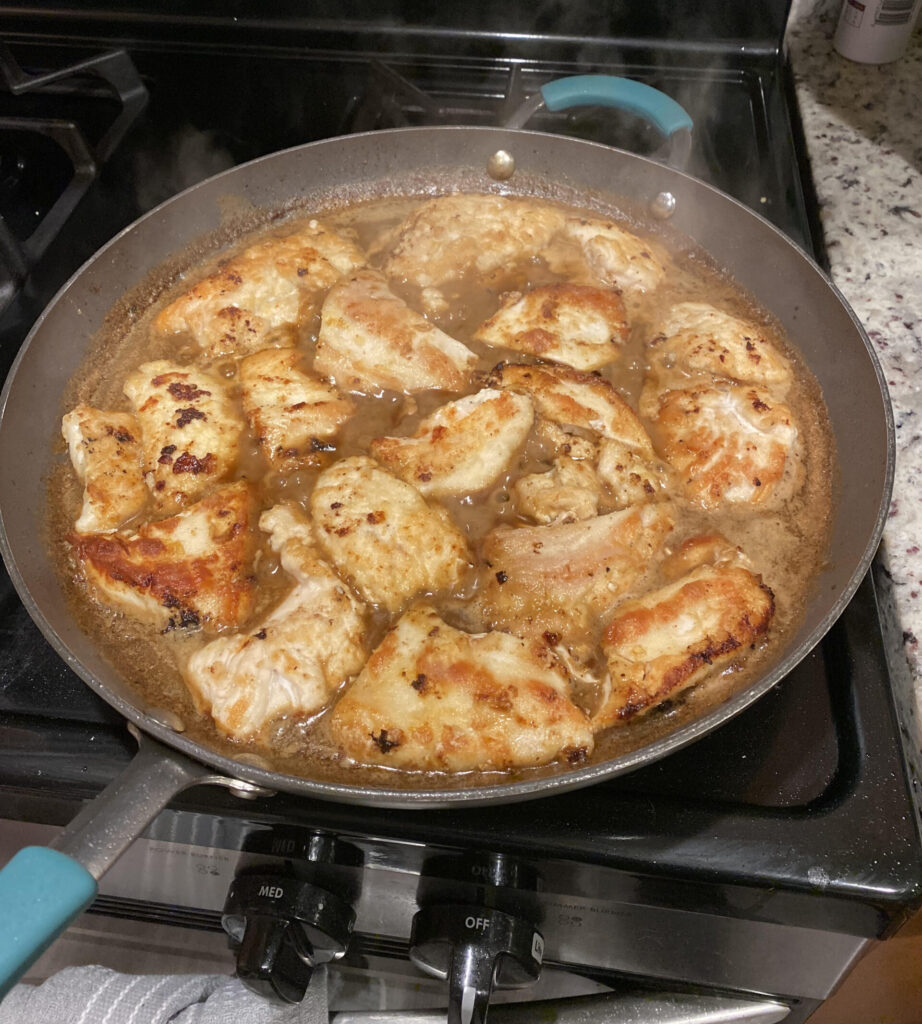
Why Back to School Meal Planning Matters
When schedules get busy, meals are often one of the first things to become unpredictable.
You might find yourself asking:
- What are we having for dinner tonight?
- Did anyone remember to pack lunch?
- What can the kids eat between school and practice?
- Do we have anything ready when we get home?
- Should we just order takeout?
Without a plan, these decisions add up quickly.
Family meal planning removes some of that daily guesswork. Instead of figuring out every meal at the last minute, you can decide ahead of time what your family will eat and prepare some of it in advance.
That doesn’t mean every meal needs to be elaborate.
In fact, the best plan is often the simplest one—the one you can actually maintain during a busy school week.
Meal Prep for Busy Parents: Start With the Basics
Meal prep doesn’t have to mean spending your entire Sunday cooking.
Start by preparing a few ingredients that can be used in multiple meals throughout the week.
For example, you might prepare:
- Grilled or baked chicken
- Hard-boiled eggs
- Chopped vegetables
- Roasted vegetables
- Salad ingredients
- Fresh fruit
- Individual portions of snacks
- A batch of your family’s favorite protein
Then mix and match those ingredients throughout the week.
Chicken can become part of a dinner one night, a salad the next day, or an easy wrap for lunch.
The goal is to prepare components—not necessarily complete meals.
This approach gives you flexibility while still saving time.
Build a Family Meal Planning Routine
One of the easiest ways to make healthy eating more consistent is to establish a weekly planning routine.
Choose one day each week to spend 15–30 minutes looking at the upcoming schedule.
Check:
- School activities
- Sports practices
- Games and competitions
- Work commitments
- Appointments
- Family events
Then plan meals around the schedule.
A night when everyone gets home at 8 PM probably isn’t the best time for a complicated recipe.
Instead, choose something that can be prepared ahead of time or reheated quickly.
On a less hectic night, you can spend more time cooking.
Planning meals around your schedule makes healthy eating more realistic.
Healthy Back to School Meals Don’t Have to Be Complicated
Healthy family meals can be surprisingly simple.
A balanced meal can start with a protein source, vegetables, and a healthy source of fat or other foods that fit your family’s nutritional needs.
Easy combinations might include:
- Grilled chicken with roasted vegetables
- Salmon with asparagus and a simple salad
- Taco bowls with seasoned meat and vegetables
- Burgers served with a vegetable-based side
- Chicken lettuce wraps with fresh vegetables
- Egg-based breakfast bowls with vegetables
The specific meal matters less than having a reliable structure you can repeat.
When healthy ingredients are already available, it’s much easier to put together a meal than it is to start from scratch at 6:30 PM after a long day.
The After-School Sports Challenge
This is where meal planning becomes especially valuable.
For many families, the hours between school and bedtime are packed with activities.
One child has soccer practice at 4:30.
Another has basketball at 5:30.
Someone else has dance at 6.
And somehow everyone still needs dinner.
Trying to cook a full meal in the middle of all that can be nearly impossible.
Instead, think in terms of planned meals and planned snacks.
Create a “Between School and Sports” Plan
Keep easy options available for the car or practice bag.
Depending on your family’s nutritional needs, examples might include:
- Hard-boiled eggs
- Cheese portions
- Fresh vegetables
- Fruit
- Greek yogurt
- Nuts or seeds
- Protein-rich snacks
- Pre-portioned leftovers
Having something available can help prevent everyone from arriving home starving and immediately reaching for whatever is easiest.
It also means you’re less dependent on convenience-store snacks, fast food, or vending machines during busy afternoons.
Make Dinner Before You Need Dinner
One of the most effective meal-prep strategies for busy families is simply getting dinner started earlier.
If you know Wednesday is your busiest night, prepare as much as possible Tuesday evening or earlier in the week.
You can:
- Cook your protein ahead of time
- Chop vegetables
- Prepare sauces or dressings
- Portion ingredients
- Assemble casseroles or sheet-pan meals
- Use a slow cooker or other time-saving cooking method
Then, when everyone walks through the door, dinner is already mostly done.
That small amount of preparation can make a surprisingly big difference.
Get the Whole Family Involved
Meal planning shouldn’t have to fall entirely on one parent.
Getting children involved can help make healthy eating a family habit rather than something adults are constantly trying to enforce.
Depending on their age, kids can help with:
- Choosing a vegetable for dinner
- Washing produce
- Packing snacks
- Preparing lunch
- Portioning ingredients
- Helping create the weekly meal plan
Older children can take on even more responsibility.
The more ownership family members have over the process, the more natural healthy eating can become.
Read more about the importance of eating healthy meals as a family Here!
Don’t Forget Breakfast and Lunch
Dinner gets most of the attention, but mornings can be just as hectic.
A little preparation can make school mornings much easier.
Consider preparing breakfast options ahead of time, such as:
- Eggs
- Greek yogurt
- Fresh fruit
- Breakfast bowls
- Protein-focused grab-and-go options
Lunch can also be simplified by preparing several ingredients at once.
Wash and portion vegetables. Prepare proteins. Organize easy-to-grab foods.
The goal is to make the healthier choice the convenient choice.
Plan for the Nights When the Plan Falls Apart
Even the best meal plan will have an occasional bad day.
Practice runs late.
A game goes into overtime.
Someone forgets to mention a school event until the last minute.
That’s normal.
Build a few emergency meals into your routine so one chaotic evening doesn’t turn into an entire week of convenience food.
Keep a few quick options available in the refrigerator or freezer.
Having a backup plan is part of successful meal planning—not a sign that your plan failed.
Healthy Eating for the Whole Family Starts With Consistency
Back-to-school meal planning isn’t about creating a perfect menu or forcing everyone to eat the same foods every night.
It’s about creating structure.
When healthy foods are available, meals are planned, and everyone knows what to expect, healthy eating becomes easier for the entire family.
And those habits can extend beyond September.
Parents benefit from less daily stress and fewer last-minute decisions. Children benefit from regular access to nutritious meals and snacks. The entire family gets a routine that supports a healthier lifestyle.
The Bottom Line
Back-to-school season can be busy, but healthy eating doesn’t have to become another source of stress.
With a little back to school meal planning, you can prepare nutritious family meals, simplify busy evenings, and make it easier to stay consistent—even when your calendar is packed with practices, games, homework, and activities.
Start small.
Plan a few meals.
Prepare a few ingredients.
Keep healthy snacks available.
And most importantly, create a system that works for your family’s actual schedule.
Healthy habits don’t require a perfect routine. They require a routine you can realistically maintain.
Looking for More Support?
If you’re trying to balance weight loss, family responsibilities, and an increasingly busy schedule, you don’t have to figure everything out on your own.
At Awaken180°, our coaches can help you create a structured approach to nutrition that fits your lifestyle—including the busy seasons when life doesn’t always go according to plan. Check out our website here!
Schedule a consultation with the Awaken180° team to learn how personalized coaching can help you build healthy habits that last.
Read More Articles
Diet • September 3, 2026
How to Reduce Sugar in Drinks Without Giving Up Flavor
If you’re trying to lose weight, food probably gets most of the attention. But there’s another easy place to make a meaningful change: what’s […]

Cooking • August 20, 2026
Healthy Smoothies for Hot Weather: Refreshing, Protein-Packed Ideas
When temperatures rise, a cold smoothie can be an easy and refreshing way to enjoy a meal or snack. For people working toward weight-loss […]
Diet • August 6, 2026
Post Vacation Weight Loss: How to Get Back on Track After Summer Travel
Vacations are meant to be enjoyed. Whether you spent time relaxing at the beach, exploring a new city, or visiting family, taking a break […]